One jump is worth a thousand words
Manage fatigue, load, and risk through jump analysis
An athlete’s jump is a brief moment, but it contains a vast amount of data. A single takeoff can reveal an athlete’s strengths, weaknesses, recovery, training effectiveness, and injury risk. The AI-based technology in the Nro.one application, developed by Lauri Hulkkonen, makes this information visible based on a video captured with a phone, bringing a level of measurement accuracy to everyday training that previously required expensive additional equipment and specialized testing environments.
Using computer vision, the application identifies key points of a jump and can therefore calculate, among other things, the jump height and the time used for takeoff. Underlying this is an understanding of the athlete’s physiology: jump height reveals a lot, but even more information is obtained by also measuring the takeoff phase, as an athlete can maintain jump height quite well despite fatigue. In such cases, the level of fatigue can be detected from an increased duration of the takeoff phase.
“Previously, movement measurement and recording could be done by attaching reflective markers to a person. This was used, for example, in The Lord of the Rings films to animate Gollum! However, this is a very labor-intensive technique. Today, measuring human movement is easier."
The application also detects biomechanical risk factors, such as changes in knee angle, even before they develop into injuries. The risk of injury increases for a fatigued athlete, and the goal is naturally to keep athletes at a good level of readiness and to load them appropriately - this way, sports injuries can be prevented in advance.
From the animation technology of Gollum to a single-camera approach
Nro.one combines the precision of research with the practicality of coaching. Measuring an athlete’s performance should be easy and flexibly integrated into training.
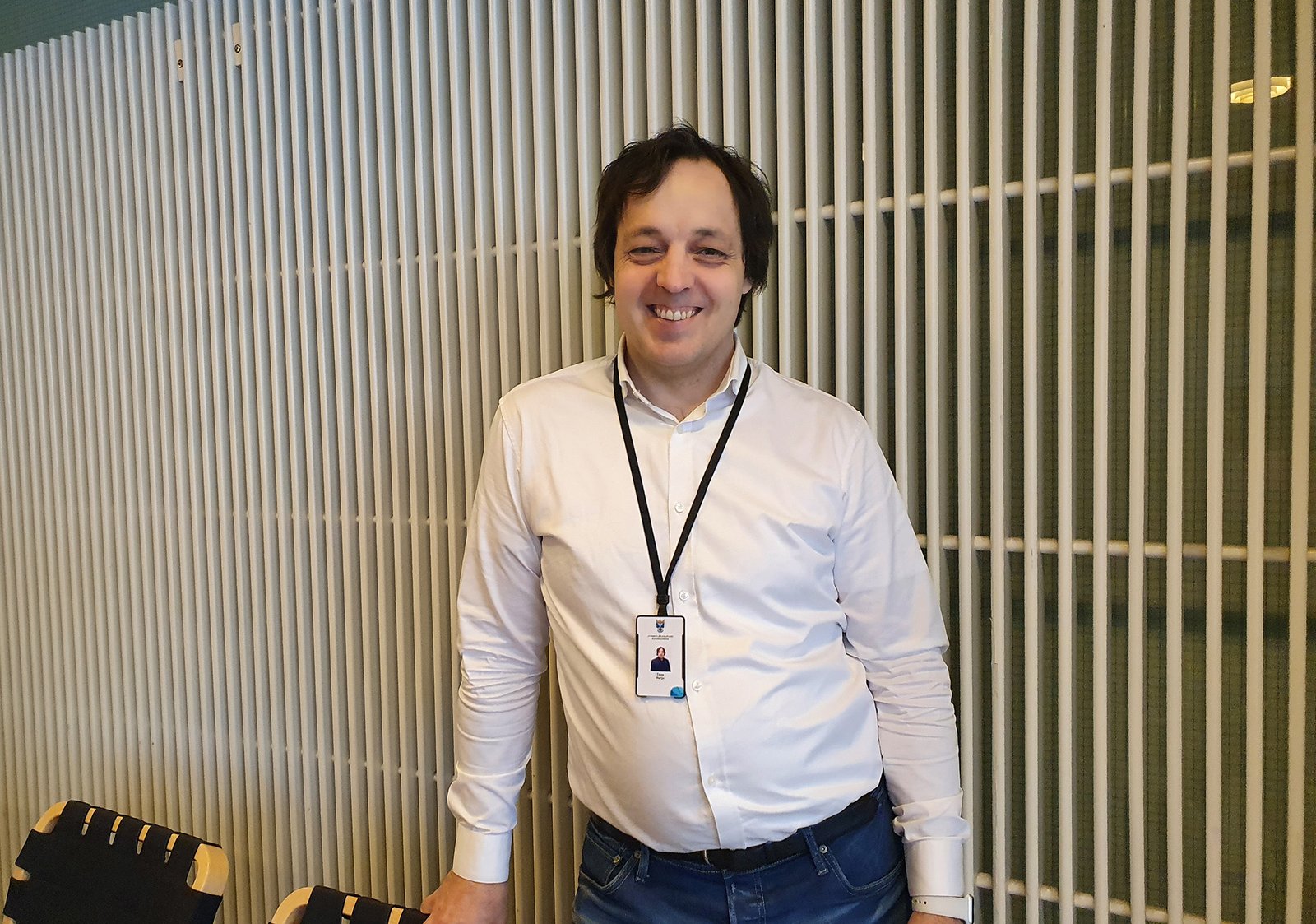
“Previously, movement measurement and recording could be done by attaching reflective markers to a person. This was used, for example, in The Lord of the Rings films to animate Gollum! However, this is a very labor-intensive technique. Today, measuring human movement is easier: computer vision is used to identify key points of the body, i.e. the joints, and movement analysis is built on that.” This is how a biomechanics researcher Timo Rantalainen working with Nro.one describes the evolution of measurement technology and the technology behind Nro.one.
Timo first became familiar with Nro.one from the other side of the table - he worked as an expert at the Finnish Institute of High Performance Sport KIHU, when KIHU was commissioned by Nro.one to validate jump measurement. During the validation project, Timo quickly realized that single-camera analytics could achieve what is usually done with much greater effort and expensive equipment. “That’s when I saw in practice that it really works. It wasn’t just empty talk. It actually delivered the results it was supposed to.”
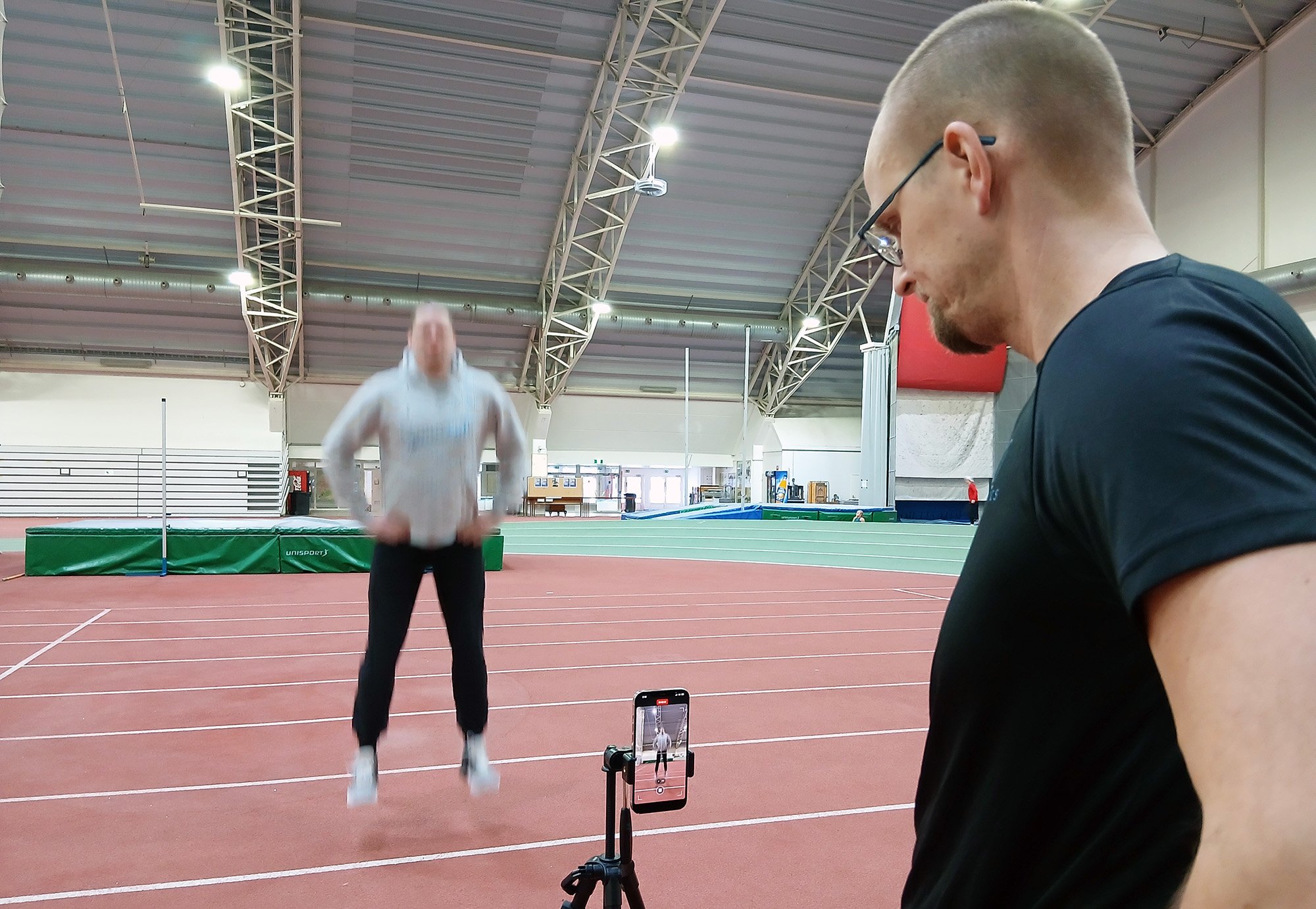 Timo Rantalainen films the jump of Jani Parkkinen for the application to analyze it.
The Application in Action in National Team Training
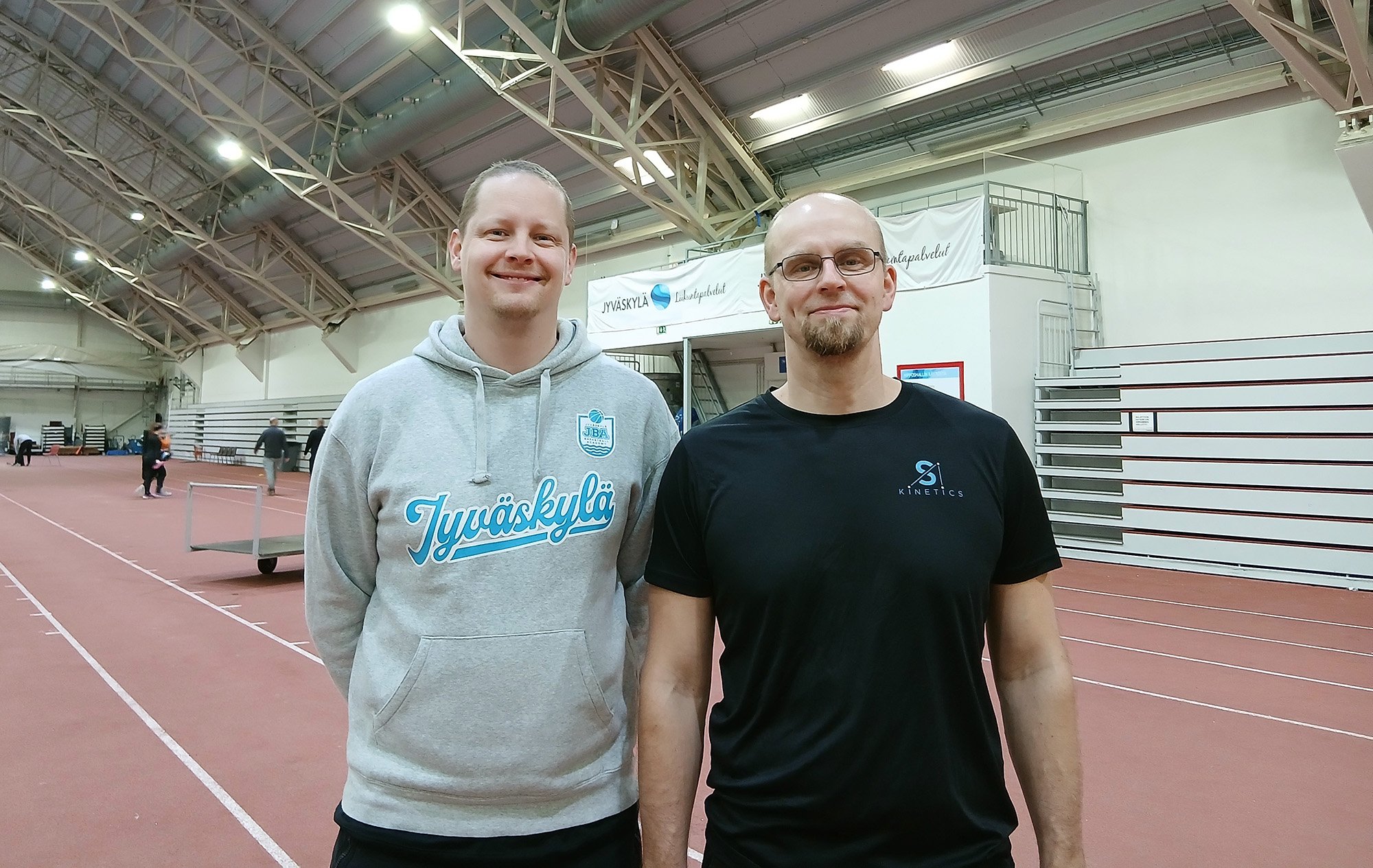
The coaching and practical perspective for Nro.one is provided by a physiotherapist and Finland men's national basketball team, Susijengi's strength and conditioning coach Jani Parkkinen. When he first heard about Nro.one, he began testing the application in the teams basketball training sessions and quickly noticed its practical benefits for the team. Shortly after, Jani joined the Nro.one team as an expert.
According to Jani, Nro.one is today part of the basketball national team’s training due to the effectiveness of the application. The use of the application and jump measurement has been seamlessly integrated into the team’s warm-up routine, allowing the entire team to be tested without interrupting the flow of the practice.
The application also supports individualized training planning. By measuring the counter movement jump with different loads, it is possible to identify an athlete’s strengths and weaknesses in speed and strength, as well as in relation to the specific sport. This allows training to be tailored as needed.
“Using the application with the basketball national team, we noticed that some players were jumping from a deeper position and more slowly than what would be optimal in basketball. By adjusting their training, we were able to make their jumps faster and more suitable for the sport,” says Jani.
Jyväskylä’s sports ecosystem accelerates development
Nro.one has grown in the midst of Jyväskylä’s unique sports ecosystem. Networks and expertise for companies in the field are provided by, among others, Finnish Institute of High Performance Institute, KIHU, the Hippos training facilities, and the City of Jyväskylä’s business services, which promote the ecosystem of sport, health, and wellbeing. The business services have, for example, enabled Nro.one to take part in the Sport Finland delegation to the World Football Summit in Seville, participate in Sport Tech Day, and present at the Football is Medicine conference.
The application is already used by 17 national teams and has been downloaded in over 30 different countries. Sport-specific versions – Nro.one for football, Jump.one for basketball, and Skinetics for skiing and skating – expand the applicability of the technology across different sports. The goal is to make scientific movement analytics accessible to all coaches and athletes with a low barrier to entry.
Read more about city of Jyväskylä's excercise, health promotion, and wellbeing ecosystem: Ecosystem of excercise, health, and wellbeing

This article is part of the innovation ecosystem work of the Business Development Services of the City of Jyväskylä. We are carrying out ecosystem work with the support of public funding and within the framework of the Ministry of Economic Affairs and Employment's ecosystem agreement in 2021-2027, together with universities and other developers in the region. Funding is provided by the Regional Council of Central Finland (ERDF funding).