The European Investment Bank Provides Loans and Offers Guarantees to Companies
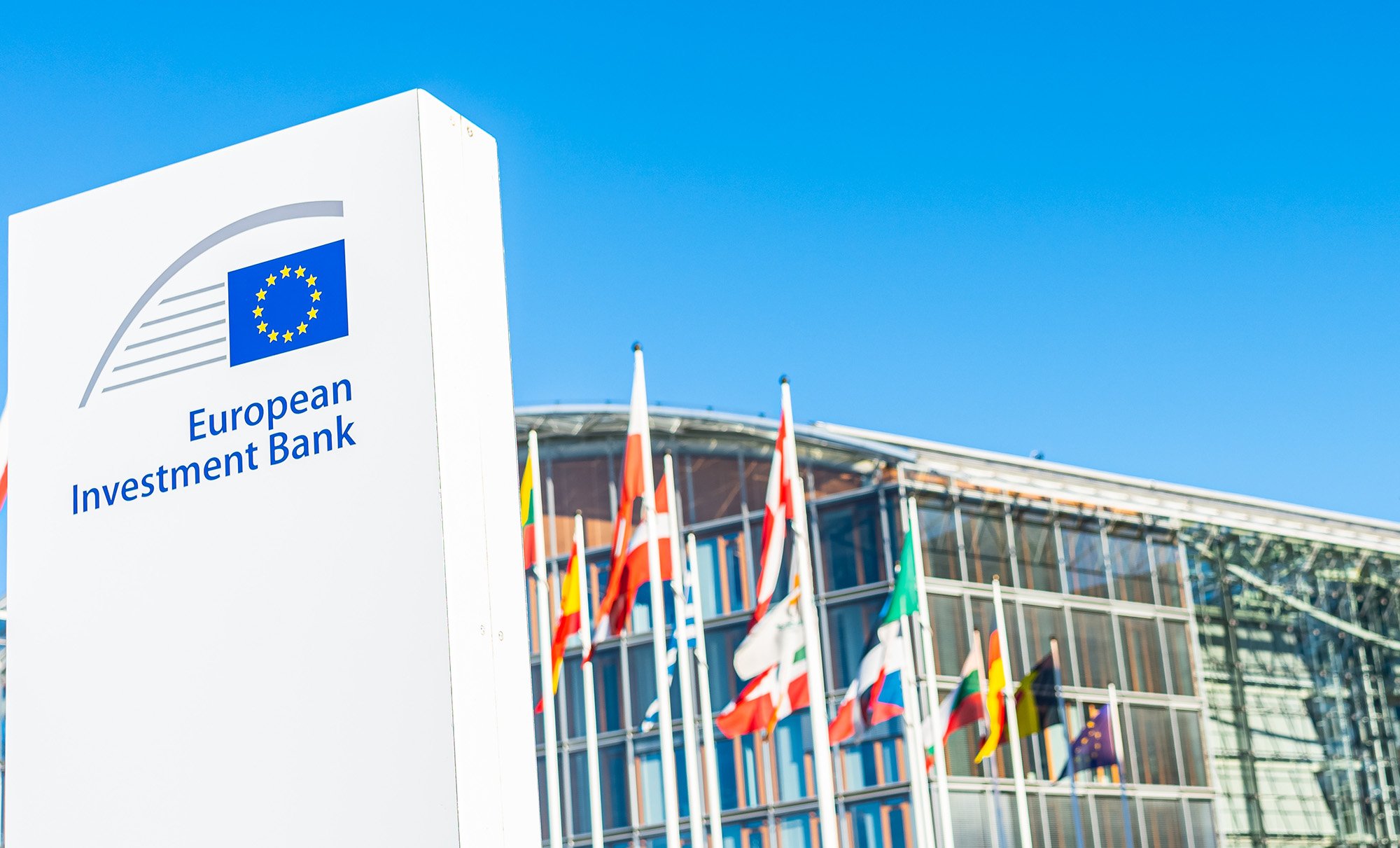
The European Investment Bank (EIB) is a financial institution jointly owned by the member states of the European Union. Its mission is to promote economic growth and employment within the EU, support efforts to mitigate climate change, and strengthen the implementation of EU policy objectives also outside the Union. In practice, the EIB finances investments that are considered to support Europe’s economic development and long‑term goals. The Finnish office of EIB is situated in Helsinki.
Financing and investment support at the core of the EIB’s activities
The EIB does not finance its operations directly from the EU budget. Instead, the bank raises funds on international capital markets and lends these funds onward to projects that support the EU’s strategic objectives. The majority of the financing, around 90 percent, is directed to investments carried out within the EU.
Most of the EIB’s activities involve lending. Financing can be granted to operators of various sizes, including companies, public organisations and different project‑finance‑based investment initiatives. EIB financing often has a broader impact as well, as the bank’s participation can help attract other financiers and investors. In addition, EIB financing can be combined with other EU funding instruments.
The European Investment Bank Group has defined eight key strategic priorities for its operations. These include climate and environmental sustainability, digitalisation and technological innovation, security and defence, modern cohesion policy, agriculture and the bioeconomy, and social infrastructure. The objective of these priorities is to promote the green transition, strengthen technological development and support regional and social development in Europe.
The EIB Group’s office in Finland, located in Helsinki, coordinates the Group’s financing activities in Finland with a team of seven people. Bankers at the Finnish office are responsible for financing the public sector, large corporations and project‑finance initiatives. The office can be contacted for any matters related to the activities of the EIB Group, whether concerning the financing needs of SMEs or large public‑sector infrastructure projects. The office can be reached at helsinki[at]eib.org.
The EIB Group secures investments in the energy transition
The European Investment Bank is often referred to as the EU’s climate bank, as climate‑change mitigation and financing the green transition have become central parts of its activities. In 2025, nearly 60 percent of total financing was allocated to green projects. The EIB’s Board of Directors has approved the second phase of its Climate Bank Roadmap, which is based on three key focus areas.
• The first focus area relates to supporting competitiveness, security and lowering energy prices. The goal is to increase the availability of affordable and locally produced clean energy for both companies and households, promote innovative solutions and strengthen Europe’s technological leadership. The EIB Group has so far supported more than EUR 560 billion in green investments and aims to mobilise at least EUR 1 trillion in green investments during this decade. In addition, a new EUR 17 billion initiative supports around 350,000 European small and medium‑sized enterprises in investing in energy efficiency. At the same time, counter‑guarantee arrangements for the wind and electricity‑grid industries aim to ensure a sustainable supply chain.
• The second key focus area is the significant increase of financing for climate adaptation. The EIB Group intends to double its adaptation financing to EUR 30 billion for the years 2026–2030 compared to the previous five‑year period. Funding will be allocated particularly to agriculture, water management, businesses, cities, regions and vulnerable communities. Implementation will involve close cooperation with the European Commission and with national, regional and private‑sector actors.
• The third focus area concerns simplifying financing processes. The EIB Group aims to speed up access to green financing and reduce administrative burdens, particularly from the perspective of small and medium‑sized enterprises.
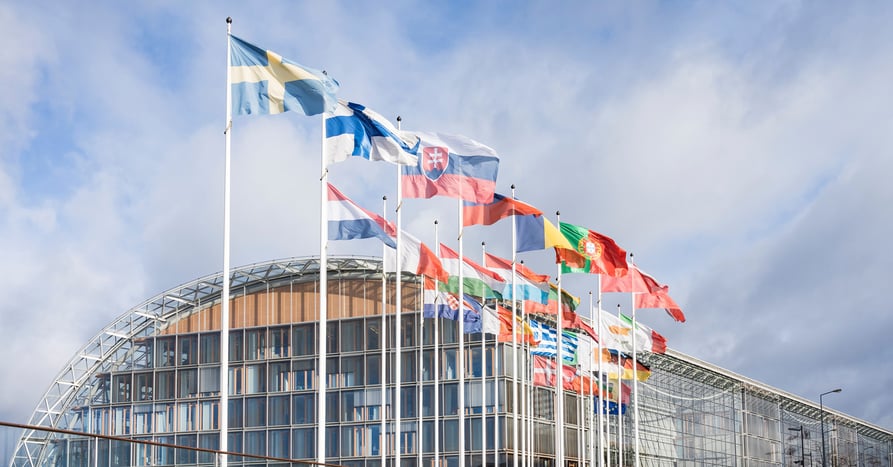
Photo: EIB/Caroline Martin
The EIB grants direct loans of over EUR 25 million
The EIB provides financing to both the public and private sectors. Smaller companies are supported primarily through local banks and financial institutions, which channel EIB funds onward to SMEs. For medium‑sized and larger companies, the bank may also provide financing directly, especially for research and development investments and innovation projects.
EIB loans are typically long‑term, and their interest rates are often more favourable than market rates. The bank has a high credit rating and can therefore obtain funding on capital markets at low cost. Loan maturities typically range from 5 to 30 years and are often aligned with the economic lifetime of the investment.
Financing is subject to certain conditions. A project must support EU policy objectives such as sustainable growth, climate action, innovation or regional development. In addition, the economic and technical feasibility of projects is evaluated before a financing decision is made. The EIB usually finances only part of a project’s total costs, often up to about 50 percent, with the remaining funding coming from other investors or financiers.
For rapidly growing and innovative companies, the EIB offers a financing instrument known as venture debt, which is an alternative for companies that may find it difficult to obtain traditional bank loans due to higher risk levels. It is loan financing typically granted to companies that have already received venture‑capital investments but need additional funding to accelerate growth, for example for product development, market expansion or increased production. Venture debt complements a company’s equity and enables growth without immediate dilution of ownership.
Did you know that the EU can act as a guarantor for SMEs and housing companies?
Applications for financing, whether for growth or new equipment, often get stuck due to a lack of collateral. The European Investment Fund (EIF), which is part of the EIB Group, focuses on financial instruments that make financing more accessible and more affordable for companies. The EIF does not provide funding directly; rather, it supports banks by offering a guarantee that reduces the bank’s lending risk. When the risk is lower, the bank can more easily approve a loan application and often on better terms or with a lower equity requirement. The guarantee can cover up to 70 percent of the collateral need.
The Climate and Environmental Loan offers SMEs exceptionally broad opportunities to make their operations more sustainable. The financing and the related EIF guarantee can be used for a wide variety of investments, such as installing solar panels, geothermal systems or other renewable‑energy technologies, as well as carrying out energy‑efficient renovations of commercial premises. Industrial energy‑saving measures, charging infrastructure for electric transport and circular‑economy solutions such as waste reduction and product reuse also fall within the scope of the financing. In addition, the loan is suitable for supporting all aspects of a company’s digital development, from new innovative products and business models to improving the digitalisation of supply chains and customer relationships.
How to benefit from this? It is enough simply to bring up the matter with your bank. In Finland, loan guarantees are offered by Aktia, Ålandsbanken, Danske Bank, Finnvera, LähiTapiola, Nordea, OP Financial Group, Oma Säästöpankki and POP Bank Centre. The guarantee is evaluated and granted directly by your bank as part of normal loan negotiations, in accordance with the bank’s credit policy.
This article has been produced by the project Hydrogen Innovations from Jyväskylä, Central Finland in cooperation with the EIB’s Finland office. The project Hydrogen Innovations from Jyväskylä, Central Finland is funded by ERDF funding provided by the Regional Council of Central Finland
.jpg?width=1600&name=Rekrytointituki_henkiloita_sinisella_taustalla_nuori%20(1).jpg)