Towards a climate‑neutral and resilient Jyväskylä with practical concepts
Hydrogen utilisation is now moving forward in concrete terms in Jyväskylä. The city has launched a Proof of Concept (PoC) process and the first hydrogen‑related PoCs are currently getting underway. The aim is to explore and develop hydrogen use in real operating environments together with companies and research actors.
Jyväskylä brings different stakeholders together to examine and develop hydrogen applications in a controlled way before potential larger‑scale investments. The PoC process helps identify where hydrogen can provide real added value and under what conditions solutions could move toward further development through regional collaboration.
How the PoC model works in practice
A Proof of Concept is a focused and time‑bound co‑development model. Work begins promptly, often with a two‑hour kick‑off workshop and continues as an intensive, several‑week joint effort. Participants include experts from different fields, technology and service providers, and—when relevant—funders. The City of Jyväskylä acts as the convener and facilitator of the process.
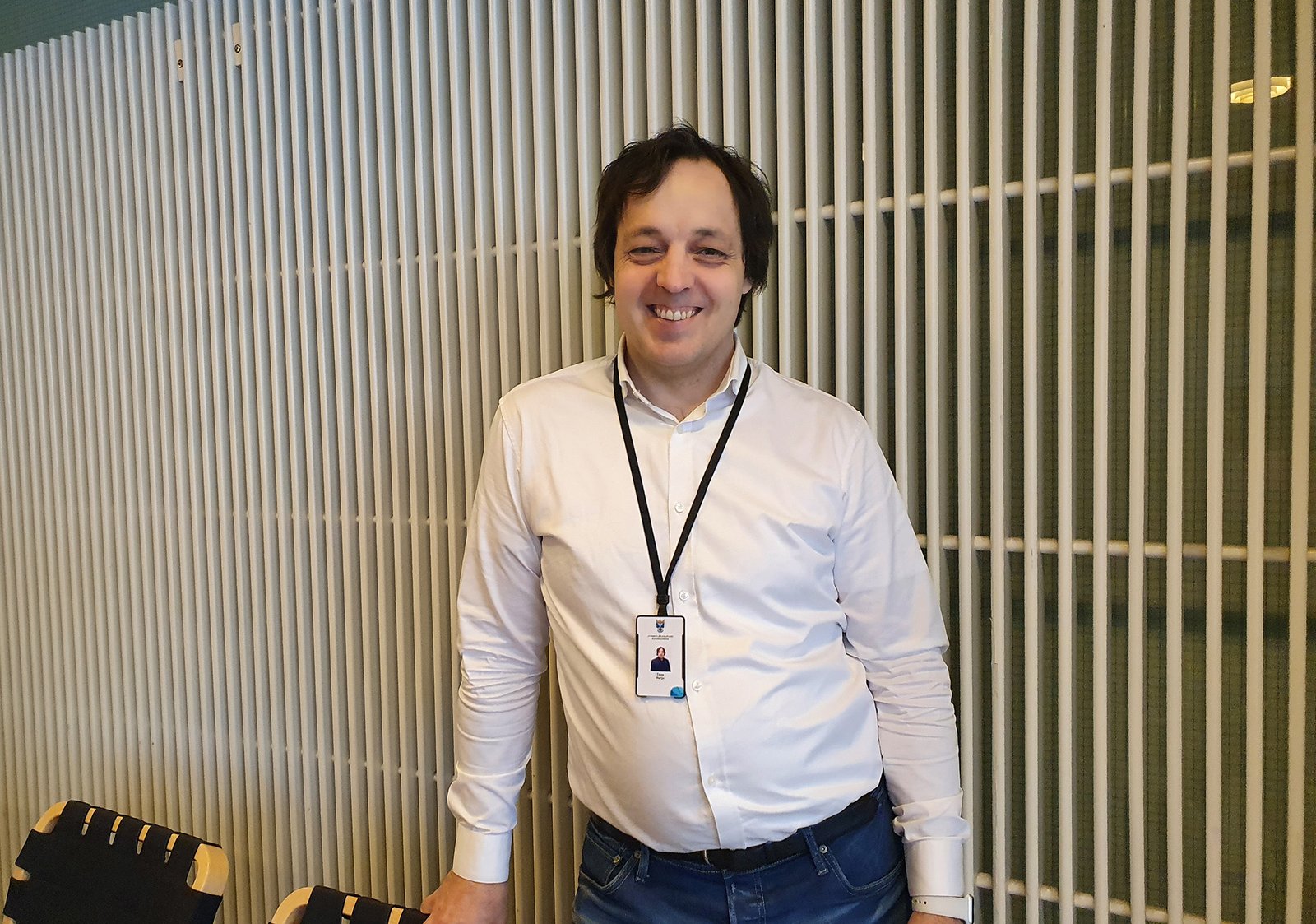
“We bring stakeholders around the same table to assess the potential of hydrogen technologies, identify risks and explore opportunities for pilot projects. At the moment, decentralised hydrogen production, storage and utilisation are particularly interesting,” explains Nina Rautiainen, Programme Manager for Hydrogen Economy Development at the City of Jyväskylä. “The goal of the PoC process is to accelerate the use of hydrogen across different sectors—for example in transport, energy storage and securing critical operations during exceptional circumstances.”
The PoC process addresses practical questions: What is the objective? What benefits and risks are involved? What funding or implementation paths might exist for further development? A PoC is not an investment decision—it is the first step that reduces uncertainty and helps assess whether an idea is viable enough to move toward pilot projects, projects or investments.
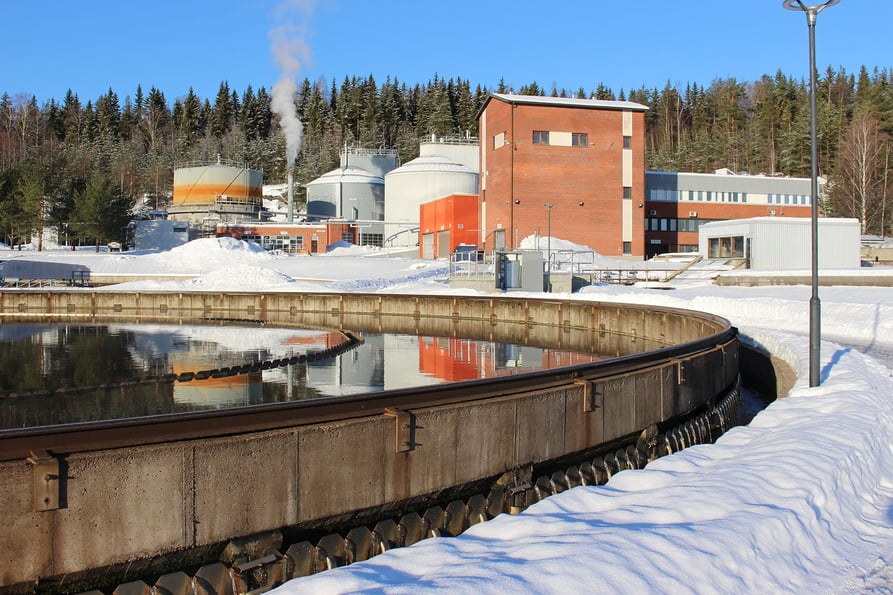
The first hydrogen PoC is underway
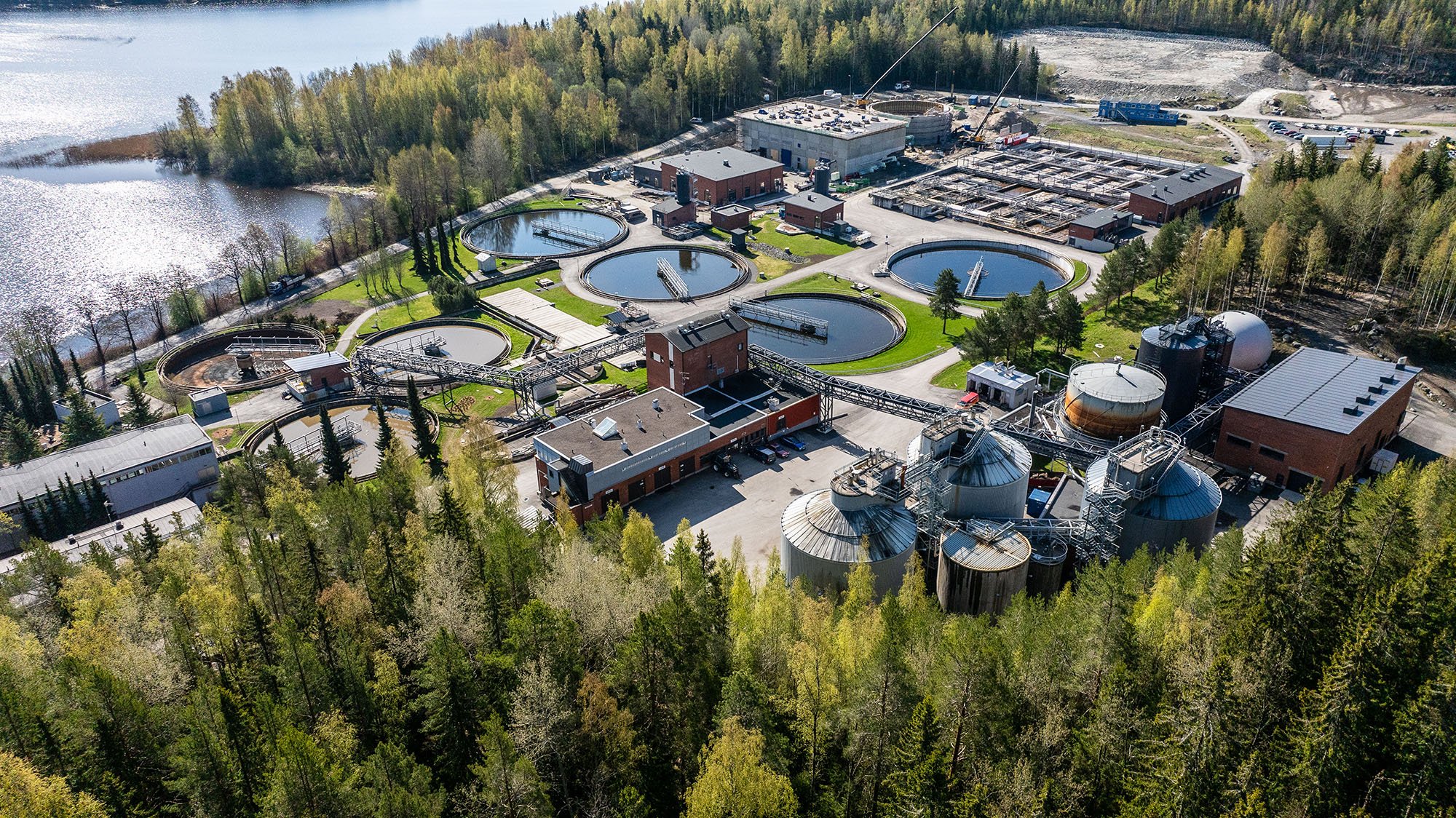
Jyväskylä’s first hydrogen‑related PoC is being carried out at the Nenäinniemi wastewater treatment plant.
“The treatment plant offers an excellent platform for exploring hydrogen applications. It allows us to assess solutions linked to security of supply, potential environmental benefits, increased energy self‑sufficiency and various circular‑economy opportunities,” notes Timo Harju, Programme Manager for development of renewing industry at the City of Jyväskylä.
The work is in progress and the PoC core team has defined both the goal and the timeline for the next steps. Within just a few weeks, the team will be ready to assess whether a concept has emerged that is suitable to take forward, potentially even toward investment.
Jyväskylä as part of hydrogen economy development
Hydrogen is being advanced across Europe and globally as part of the broader energy transition. It enables long‑term storage of renewable energy, supports balancing of energy systems and offers a way to replace fossil fuels, especially in industry and transport. Although hydrogen has been used in industry for decades, its large‑scale and sustainable use requires new solutions and new forms of cooperation.
In Jyväskylä, hydrogen development is integrated into the city’s ecosystem work which brings together renewing industry, research expertise and business activity. The goal is to create the conditions for hydrogen utilisation in real operating environments and to support the city’s energy and climate objectives as well as the region’s long‑term vitality. Jyväskylä is also part of the InnoCities network which aims to accelerate economic renewal and the adoption of sustainable solutions in cities.
Interested in developing hydrogen use? If you have an idea, need or potential application related to hydrogen, feel free to reach out - we are happy to discuss opportunities to participate in upcoming PoC work:
Nina Rautiainen
Program Manager, innovation ecosystem and hydrogen business development
+358 50 4137 028
nina.rautiainen@jyvaskyla.fi
This article is part of the ecosystem work carried out by the City of Jyväskylä’s Business Development Services.
The ecosystem work is implemented with public funding under the Ministry of Economic Affairs and Employment’s Ecosystem Agreement for the years 2021–2027, in cooperation with local higher education institutions and other regional development organisations.
The project is funded by the Regional Council of Central Finland (ERDF funding), Hydrogen Innovations from Jyväskylä, Central Finland 2025–2027.